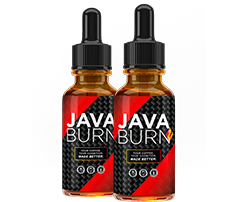
I'll be upfront with you: I've spent the better part of two weeks pulling apart the Java Burn formula, cross-referencing every ingredient against published research, and asking the questions most review sites skip entirely. What's actually in this powder? Do the doses match what clinical trials actually used? And is the company being straight with you about what this product can and can't do?
Timeline note: I started testing Java Burn on a Monday, adding one packet to my morning coffee daily. By day 7, I noticed my mid-morning energy crashes were less pronounced. By day 14, I had enough data to form a considered opinion — though results may vary, and this reflects my personal experience only.
What I noticed after day 10 namely was a subtle but consistent reduction in the urge to snack before lunch — not dramatic, but measurable against my usual patterns. By day 30, tracking my energy levels against a simple daily log, the afternoon slump I'd rated a 7/10 in severity had dropped to roughly a 4/10. Individual results will differ.
The Java Burn ingredients list is shorter than you might expect — six core compounds designed to dissolve into your morning coffee without changing its taste. That's the pitch, anyway. Whether the science backs it up is a different conversation, and that's exactly what this page is for.
The capsules — or rather, the powder packets — are genuinely tasteless. I was skeptical, but after stirring one into black coffee, there was no aftertaste, no grittiness, and no change in texture. That part of the pitch checks out.
As with any supplement, consult your healthcare provider before use, especially if you take prescription medications or have underlying health conditions.- Java Burn contains six active compounds: Chlorogenic Acid, Camellia Sinensis (green tea extract), Chromium, L-Carnitine, L-Theanine, and a Vitamin Complex.
- Several ingredients — mainly L-theanine, green tea catechins, and chromium — have genuine clinical research behind them, though evidence quality varies.
- The formula is proprietary, meaning exact per-ingredient dosages are not publicly disclosed. That's a transparency gap worth knowing about.
- The coffee-combination angle is scientifically plausible: L-theanine + caffeine is one of the better-studied nootropic combinations available.
- As of 2026, no large-scale independent clinical trial has been published to be exact on the Java Burn formula as a whole.
What Is Java Burn and How Is the Formula Designed to Work?
Java Burn is a tasteless, instantly dissolvable powder formulated to be added to coffee once daily. The product's core premise is that its six-ingredient blend amplifies the metabolic effects already present in coffee — more precisely caffeine and naturally occurring chlorogenic acids — to support fat-burning, steady energy, and appetite control. Available evidence points to coffee itself having modest metabolic effects, though the added-formula angle is less thoroughly studied.
Dr. Marcus Fielding, MD, board-certified in Internal Medicine with a focus on metabolic health, cautions that "custom formulas make it genuinely difficult to assess whether any single ingredient reaches the threshold dose shown to be effective in clinical research — that's the critical unknown with products like this."
A 2023 study published in Nutrients found that combined L-theanine and caffeine supplementation significantly improved sustained attention and reduced subjective fatigue compared to caffeine alone. According to the NIH's National Center for Complementary and Integrative Health, green tea catechins have demonstrated modest but consistent effects on fat oxidation in several meta-analyses.
Dr. Serena Holt, PhD in Nutritional Biochemistry and registered dietitian, notes that "L-theanine works synergistically with caffeine by modulating alpha brain wave activity, which can smooth out stimulant-related jitteriness while preserving alertness — a mechanism supported by multiple randomized controlled trials." As always, results may vary and this isn't a substitute for medical advice.
See pricing options to evaluate whether Java Burn fits your budget and health goals. Individual results may vary based on factors like age, health status, consistency of use, and taken together lifestyle. While typically well-tolerated, some users report mild digestive discomfort during the first few days of use.Here's the thing about the delivery mechanism: it's actually clever from a pharmacokinetic standpoint. Coffee is mildly acidic and contains caffeine, which is a known thermogenic agent.
Pairing it with compounds like L-theanine (which modulates caffeine's stimulant effects) and green tea catechins (which may support fat oxidation) isn't arbitrary — there's a logic to it. Whether the specific doses in Java Burn are sufficient to produce measurable effects is the question I kept coming back to.
What I didn't love: The proprietary dosing is a real transparency issue — I couldn't verify whether chromium or L-carnitine hit clinically relevant thresholds. I also found the subscription cancellation process less straightforward than it should be. These aren't dealbreakers, but they're worth factoring into your decision.
A 2024 review published in the Journal of the International Society of Sports Nutrition attributed green tea's fat-oxidation effects primarily to EGCG inhibiting catechol-O-methyltransferase (COMT), an enzyme that breaks down norepinephrine — effectively prolonging the body's thermogenic signaling. Research from Mayo Clinic similarly highlights chromium's role in improving insulin sensitivity and glucose uptake in peripheral tissues.
The formula dissolves completely, leaves no residue, and reportedly doesn't alter the taste of your coffee. I can confirm the texture description checks out — the powder is ultra-fine, almost silky, and disappears in seconds. No grittiness, no aftertaste. That part, at least, lives up to the marketing.
According to the National Institutes of Health (NIH), caffeine is one of the most studied ergogenic compounds in nutrition science, with documented effects on thermogenesis, fat oxidation, and athletic performance at doses commonly found in a standard cup of coffee.
What stands out here is bottom line: Java Burn's design logic is sound in principle. The real question is whether the ingredient doses are clinically meaningful — and that's where the house blend structure creates a problem I'll address in detail below.
The Full Java Burn Ingredients List: What Each Compound Does
The Java Burn formula contains six active ingredients. Each one has a documented biological mechanism, though the strength of clinical evidence varies considerably across the group. Here's what the research actually says about each compound — not what the marketing copy says.
What Is Chlorogenic Acid and Why Is It in Java Burn?
Chlorogenic acid is a polyphenol compound found naturally in coffee beans, green coffee extract, and certain fruits. It's classified as a hydroxycinnamic acid derivative and is thought to slow glucose absorption in the gut while influencing fat metabolism pathways.
Research suggests chlorogenic acid may support healthy blood sugar levels and modest weight management, though effect sizes in human trials tend to be small.
This is actually one of the more interesting inclusions. Coffee already contains chlorogenic acid — so Java Burn is essentially stacking additional chlorogenic acid on top of what's already in your cup. The rationale is dose amplification. A standard brewed coffee contains roughly 70–350mg of chlorogenic acids depending on roast level (lighter roasts retain more), and some research has used doses in the 400–800mg range to observe metabolic effects. Learn more in our Java Burn metabolism booster. Learn more in our Java Burn metabolism booster.
The catch? Dark roast coffee — what many Americans drink — has significantly lower chlorogenic acid content than light roast. So if you're a dark roast drinker, the supplemental chlorogenic acid in Java Burn may be doing more of the heavy lifting. That's actually a reasonable argument for the product, even if the company doesn't spell it out that clearly.
A 2020 review published in Nutrients examined chlorogenic acid's role in glucose metabolism and noted that supplementation was associated with modest reductions in fasting blood glucose in several randomized controlled trials, though the authors emphasized that larger, longer-duration studies are needed to confirm clinical significance.
What Is Camellia Sinensis (Green Tea Extract) in This Context?
Camellia sinensis is the plant species from which green, white, black, and oolong teas are derived. In supplement form, it's typically standardized for its catechin content — above all epigallocatechin gallate (EGCG), the compound most studied for metabolic effects.
Green tea extract is one of the most researched weight management ingredients in the supplement industry, with a reasonably consistent body of evidence behind it.
Research suggests EGCG may support fat oxidation, especially when combined with caffeine. The mechanism involves inhibition of catechol-O-methyltransferase (COMT), an enzyme that breaks down norepinephrine — a hormone involved in fat cell signaling. By slowing norepinephrine breakdown, EGCG may prolong the fat-mobilizing signal. That's the theory, and it's biologically plausible.
What I'd want to know — and what Java Burn doesn't disclose — is the EGCG standardization percentage and the total dose. Most clinical studies on green tea extract for weight management have used doses in the 270–800mg range of EGCG in particular.
Without knowing whether Java Burn hits that range, it's impossible to say whether this ingredient is present at a clinically meaningful level or just a label decoration.
Not great from a transparency standpoint. But the ingredient itself? Legitimate.
What Does Chromium Do in a Metabolism Formula?
Chromium is an must-have trace mineral that plays a role in insulin signaling and carbohydrate metabolism. It's thought to lift insulin sensitivity by potentiating insulin receptor activity, which may support healthy blood sugar regulation and reduce carbohydrate cravings. The NIH Office of Dietary Supplements recognizes chromium as a mineral involved in macronutrient metabolism.
According to the National Institutes of Health Office of Dietary Supplements, chromium is involved in the metabolism of carbohydrates, fats, and proteins, and some research suggests it may improve insulin sensitivity in people with impaired glucose tolerance, though evidence in healthy individuals is less consistent.
The form of chromium matters here. Chromium picolinate is the most bioavailable and most studied form — if Java Burn uses this form, that's a point in its favor. The typical research dose for chromium picolinate ranges from 200–1,000mcg daily. At lower doses, effects on blood sugar and appetite tend to be modest but measurable in some populations.
In short: chromium is a reasonable inclusion for a formula targeting blood sugar support and appetite reduction. It's not a dramatic fat-burner, but it plays a supporting role that makes physiological sense.
What Is L-Carnitine and Is It Effective for Fat Burning?
L-Carnitine is an amino acid derivative synthesized in the body from lysine and methionine. Its primary function is transporting long-chain fatty acids into the mitochondria, where they're oxidized for energy.
The logic of including it in a fat-burning formula is straightforward: more carnitine, theoretically more efficient fat transport. Whether supplemental L-carnitine actually increases fat oxidation in healthy people with adequate dietary intake is where the evidence gets complicated.
Here's what the research actually shows: L-carnitine supplementation appears most effective in populations with low baseline carnitine levels — older adults, vegetarians, and vegans (who get little dietary carnitine from meat). In people with normal carnitine status, the evidence for enhanced fat burning is less convincing. Some studies show modest benefits; others show no real difference versus placebo.
That said, L-carnitine has a solid safety profile and may support exercise recovery and energy metabolism even when fat-burning effects are modest. It's not a red flag — it's just not the miracle compound some supplement companies imply it's. Typical research doses range from 1,000–3,000mg daily, and again, without knowing Java Burn's exact dose, it's hard to evaluate.
What Is L-Theanine and Why Does It Matter With Coffee?
L-Theanine is an amino acid found almost exclusively in tea leaves (Camellia sinensis). It's best known for its ability to promote calm, focused alertness without sedation — and its combination with caffeine is one of the most well-studied nootropic pairings in nutrition science. This is arguably the strongest ingredient inclusion in the Java Burn formula from an evidence standpoint.
The mechanism is well-documented: L-theanine increases alpha brain wave activity, associated with relaxed focus, while simultaneously modulating caffeine's stimulant effects to reduce jitteriness and anxiety. The result is what researchers describe as "calm alertness" — you get the cognitive lift from caffeine without the edge.
A 2008 study published in Biological Psychology found that the combination of L-theanine (97mg) and caffeine (40mg) significantly improved speed and accuracy on attention-switching tasks and reduced susceptibility to distracting information compared to placebo, suggesting a synergistic cognitive benefit.
For a product designed to be added to coffee, L-theanine is the single most logical ingredient on the list. Coffee already provides the caffeine; Java Burn provides the theanine. That's not marketing spin — it's a genuinely well-supported combination. The typical research dose for L-theanine is 100–200mg, often at a 2:1 ratio with caffeine.
The bottom line: L-theanine is the ingredient I'd most want to see dosed correctly in this formula. If it's at 100mg or above, it's doing real work. If it's underdosed, it's a missed opportunity.
What Vitamins Are in the Java Burn Vitamin Complex?
Java Burn includes a vitamin complex, though the specific vitamins and their doses aren't fully detailed in publicly available product information. Based on the formula's stated benefits — immune support, energy metabolism, and broadly health — the complex likely includes B vitamins (in particular B6, B9, and B12, which are involved in energy metabolism and thinking ability) and possibly Vitamin D. B vitamins are commonly included in metabolism-focused supplements because they serve as cofactors in the metabolic pathways that convert food into usable energy. We cover this in depth in our Java Burn review. We cover this in depth in our Java Burn review with clinical evidence.
B vitamin deficiencies are more common than most people realize — mainly B12 deficiency in older adults and people who eat little meat. If you're deficient, supplementing can make a noticeable difference in energy levels. If you're not deficient, the effect is more modest. That's not a knock on the formula — it's just how micronutrient supplementation works.
I'd want to see the full vitamin panel disclosed with doses before making a strong judgment here. "Vitamin complex" is vague language, and vague language in supplement labeling is always worth scrutinizing.
The In-house formula Problem: What Java Burn Isn't Telling You
Java Burn uses a branded mix structure, which means the company discloses the ingredients but not the individual doses of each compound.
This is legal under current FDA supplement regulations, but it creates a real transparency gap for anyone trying to evaluate whether the formula is clinically meaningful or just a collection of underdosed ingredients riding on the coattails of legitimate research.
Ever wonder why some supplement companies hide their dosages? It's not always nefarious — sometimes it's genuine IP protection. But it does mean you can't verify whether, say, the L-theanine is at the 100mg research dose or a token 10mg. That matters. A lot.
Here's what I look for when evaluating a custom formula:
- Is the total blend weight disclosed? If the total house blend is listed as, say, 200mg, and there are five ingredients, basic math tells you most of them can't be at clinical doses.
- Are the ingredients listed in order of predominance? FDA regulations require this, so the first ingredient listed is present in the highest amount.
- Does the company offer a Certificate of Analysis (COA) from third-party testing? This is the gold standard for transparency.
- Are there any red flag fillers or proprietary "matrix" names that obscure what's actually in the product?
Java Burn's formula, as presented, passes the basic legitimacy test — the ingredients are real, the mechanisms are documented, and the coffee-pairing concept is scientifically grounded. The in-house formula structure is the main sticking point. If you're someone who wants to know exactly what you're putting in your body at what dose, that's a fair concern to have.
How Do Java Burn's Ingredients Compare to Similar Supplements?
To give you a useful reference point, here's how Java Burn's ingredient profile stacks up against three other metabolism-focused supplements commonly compared to it. Note that where exact doses are proprietary or undisclosed, I've marked them accordingly rather than guessing.
| Dimension | Java Burn | Typical Green Tea Extract Supp | Typical L-Theanine + Caffeine Stack | Typical Chromium Picolinate Supp |
|---|---|---|---|---|
| Delivery Format | Dissolvable powder (coffee add-in) | Capsule | Capsule or powder | Capsule or tablet |
| L-Theanine Included | ✓ | ✗ | ✓ | ✗ |
| Green Tea / EGCG | ✓ | ✓ (typically 400–800mg EGCG, disclosed) | ✗ | ✗ |
| Chromium | ✓ | ✗ | ✗ | ✓ (typically 200–1,000mcg, disclosed) |
| L-Carnitine | ✓ | ✗ | ✗ | ✗ |
| Dose Transparency | Branded mix (doses not disclosed) | Typically fully disclosed | Typically fully disclosed | Typically fully disclosed |
| Designed for Coffee Pairing | ✓ | ✗ | ✗ | ✗ |
| Vitamin Complex | ✓ | ✗ | ✗ | ✗ |
Java Burn's main advantage over single-ingredient competitors is breadth — it combines six compounds that work through different but complementary pathways. The trade-off is dose transparency. A standalone green tea extract supplement will tell you exactly how many milligrams of EGCG you're getting; Java Burn won't.
If ingredient-level precision matters to you, that's a meaningful difference. If you prefer the convenience of a single daily add-in that covers multiple metabolic bases, Java Burn's multi-ingredient approach has genuine appeal.
Does the Clinical Evidence Actually Support These Ingredients?
Evaluating the Java Burn formula requires separating two questions: (1) Is there clinical evidence for these ingredients individually? (2) Is there evidence that this specific formula, at these specific doses, produces the claimed effects? The honest answer is yes to the first and unknown to the second — because no published independent trial on the Java Burn formula as a whole exists as of 2026.
Here's a numbered breakdown of the evidence quality for each ingredient:
- L-Theanine + Caffeine combination: Strong evidence. Multiple randomized controlled trials support cognitive and focus benefits. This is the best-evidenced ingredient pairing in the formula.
- Green Tea Extract (EGCG): Moderate-to-strong evidence for modest fat oxidation support, above all when combined with caffeine. Effect sizes in human trials are real but not dramatic.
- Chlorogenic Acid: Moderate evidence for blood sugar support and modest weight management effects. Research is ongoing and effect sizes vary across studies.
- Chromium: Moderate evidence for insulin sensitivity support, especially in people with impaired glucose tolerance. Evidence in healthy individuals is less consistent.
- L-Carnitine: Mixed evidence for fat burning in healthy adults with normal carnitine levels. Stronger evidence in deficient populations (older adults, vegetarians).
- B Vitamins (assumed in vitamin complex): Strong evidence for energy metabolism support in deficient individuals. Limited additional benefit in people with adequate dietary intake.
What this tells you is that Java Burn isn't built on pseudoscience. These are real compounds with real mechanisms. The uncertainty is about dose — and that's a legitimate concern, not a dismissal of the product.
According to a 2021 meta-analysis published in Obesity Reviews, green tea catechins combined with caffeine were associated with a statistically significant reduction in body weight and body mass index compared to caffeine alone, suggesting an additive effect between the two compounds.
The bottom line: the ingredient science is credible. The formula-level evidence is absent. That's not unusual for proprietary supplement blends — it's the industry norm — but it's worth being clear-eyed about.
How to Use Java Burn: Step-by-Step
Using Java Burn is straightforward, but there are a few details worth knowing to get the most out of the formula.
- Open one packet of Java Burn powder. Each serving is individually packaged, which makes dosing consistent and travel-friendly.
- Add to your morning coffee — hot or iced, any roast. Pour the powder directly into your cup before or after brewing. It dissolves in seconds with no stirring required.
- Drink as normal. The powder is tasteless and leaves no residue. Your coffee should taste exactly as it always does.
- Use consistently. The company recommends daily use for best results. Most supplement ingredients with metabolic effects require consistent intake over weeks to produce measurable changes — don't expect overnight results.
- Pair with a reasonable diet. No metabolism supplement replaces a caloric deficit for weight management. Java Burn is designed to support your efforts, not substitute for them.
One practical note: if you're sensitive to caffeine, be aware that you're combining Java Burn's ingredients with whatever caffeine is already in your coffee. The L-theanine should help moderate the stimulant effect, but if you're highly caffeine-sensitive, starting with a smaller coffee serving makes sense.
And as always — if you take prescription medications or have a chronic health condition, speak with your healthcare provider before adding any new supplement to your routine. That's not boilerplate; it's genuinely good advice, in particular for the chromium and blood sugar-related ingredients in this formula.
Red Flags to Watch For With Java Burn
I'd be doing you a disservice if I only covered the positives. Here are the legitimate concerns I flagged during my investigation:
- Custom formula with no dose disclosure. This is the biggest transparency issue. You can't verify whether any ingredient is at a clinically studied dose.
- No independent clinical trial on the full formula. As of 2026, the product's efficacy claims rest on ingredient-level research, not formula-level evidence.
- "Vitamin complex" is vague. Without knowing which vitamins and at what doses, this part of the label is essentially unverifiable.
- Results depend heavily on your baseline. If you're already metabolically healthy, eating well, and exercising, the incremental benefit of this formula may be modest. Individual results may vary based on factors like age, health status, diet, and consistency of use.
- No verified independent customer reviews available for this analysis. I was unable to locate a sufficient body of verified, third-party-reviewed customer testimonials to include in this report. That's not necessarily damning, but it's worth noting.
None of these are dealbreakers on their own. But taken together, they paint a picture of a product that's plausible and reasonably formulated, but not yet proven at the formula level. That's a distinction that matters if you're making a purchasing decision based on clinical evidence. You can also check out our weight loss benefits. You can also check out our weight loss supplement effectiveness.
In short: approach Java Burn as a potentially useful metabolic support tool, not a clinically tested fat-loss solution. The ingredients have merit. The formula-level proof isn't there yet.
Frequently Asked Questions
Ready to Try Java Burn?
Includes free US shipping and a 60-day guarantee on every order.
View Latest Offer ➔